
Understanding Smart Homes
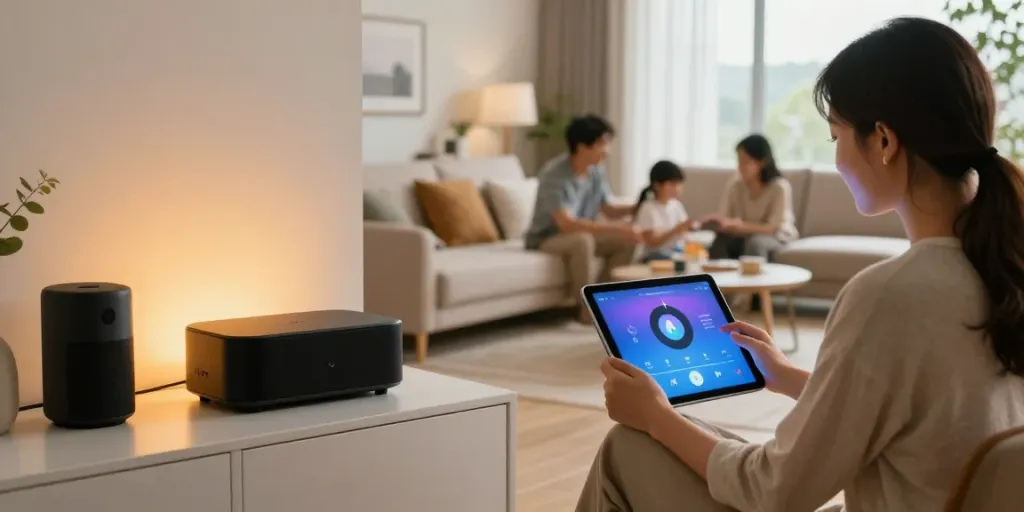
As we move deeper into the 21st century, the concept of a smart home is transitioning from a futuristic vision to a practical reality. A smart home is equipped with technology that allows homeowners to control various aspects of their living environment through devices connected to the internet. This connectivity enables everything from controlling lighting and security systems to managing household appliances remotely, significantly enhancing comfort and efficiency.
When exploring options, خانه هوشمند جهان اسمارت provides comprehensive insights into available technologies and products designed to modernize your living space.
What Constitutes a Smart Home?
A smart home integrates technology that enables the automation of tasks and functions typically performed by humans. This can range from simple tasks like remotely adjusting the thermostat to more complex systems that monitor home security and energy consumption. The core idea is to enhance convenience, security, and energy efficiency.
- Home Automation: This involves using smart devices to automate lighting, climate control, entertainment systems, and appliances.
- Remote Monitoring: Homeowners can monitor and control their home systems from anywhere using smartphones or tablets.
- Integrated Security Systems: Smart locks, cameras, and alarm systems provide enhanced security features, including remote alerts.
Benefits of Smart Home Technology
The shift towards smart home technology comes with numerous benefits:
- Increased Efficiency: Smart devices can optimize energy usage, leading to significant savings on utility bills.
- Enhanced Security: Features like smart locks and surveillance systems offer peace of mind, allowing homeowners to monitor their property remotely.
- Convenience: Automation of daily tasks means less time spent managing household responsibilities, translating to a more relaxed lifestyle.
Key Components of a Smart Home
Several critical components form the backbone of a smart home setup:
- Smart Lighting: Systems that allow homeowners to schedule or remotely control lights, often integrating with voice assistants.
- Smart Thermostats: Devices that learn user preferences and adjust heating and cooling systems for optimal comfort and energy usage.
- Home Security Systems: Includes smart cameras, alarms, and locks that can be monitored and controlled via smartphone apps.
Innovations in Smart Home Systems
Latest Trends in Home Automation for 2026
The smart home industry is rapidly evolving, with new technologies and trends emerging every year. In 2026, homeowners can expect:
- AI-Powered Automation: Increased use of artificial intelligence to predict and adapt to user behavior, making homes more responsive and efficient.
- Integration of IoT Devices: A seamless connection between various smart devices, enhancing overall functionality and user experience.
- Focus on Sustainability: Technologies that support eco-friendly practices, such as smart energy monitoring systems that help reduce carbon footprints.
Upgrading Your Home Audio System
A smart audio system can transform how you experience music and entertainment in your home. Products like ceiling speakers and multi-room sound systems allow for personalized audio experiences. Smart speakers can integrate with home automation systems, letting you control your environment through voice commands.
- Smart Speakers: Devices that stream music, control smart home features, and provide real-time information.
- Multi-room Audio Systems: Systems that allow users to play music in multiple rooms simultaneously, controlled from a single app or device.
Smart Security Features to Consider
Security is a primary concern for homeowners, and smart technology significantly enhances safety. Some essential features include:
- Smart Locks: These allow remote access and monitoring, providing convenience and security.
- Surveillance Cameras: Smart cameras enable live streaming and alerts, increasing your property's safety.
Popular Products from خانه هوشمند جهان اسمارت
Overview of Leading Smart Devices
Among the various brands in the smart home industry, خانه هوشمند جهان اسمارت stands out for its extensive selection and innovative products. Here’s a look at some leading devices:
- Smart Door Locks: Including models like the Bosch FU5 PLUS and FU30 PLUS, which offer advanced security features.
- Smart Lighting Solutions: Products from brands like Benica provide various options for controlling lighting effectively.
- Smart Thermostats: These devices ensure optimal temperature management while enhancing energy efficiency.
Comparing Smart Lock Models
When choosing a smart lock, consider the features that best meet your security needs. Some popular models include:
- Bosch FU8 PLUS: Known for its durability and advanced security features.
- Sharp H7 Facial Recognition Lock: Offers cutting-edge biometric security that enhances protection.
- J-Lock JL6 Smart Lock: Provides a blend of design and technology for the modern user.
Smart Lighting Solutions Available
The right lighting can significantly impact the ambiance of your home. Smart lighting solutions allow users to customize brightness and color via apps or voice commands. Brands like Benica offer various smart switches and bulbs that integrate seamlessly into existing home systems.
Implementation Strategies for Smart Homes
Step-by-Step Guide to Installation
Implementing smart home technology can seem daunting. Here’s a simplified step-by-step guide:
- Assessment: Evaluate your current home setup and determine which areas would benefit from smart technology.
- Research: Look into products and systems that fit your needs, considering compatibility.
- Installation: Many devices are designed for easy installation. Follow manufacturer guidelines or hire professionals if necessary.
- Integration: Ensure all devices are connected and operational within your smart home network.
Choosing the Right Products for Your Needs
Choosing the right products involves understanding your lifestyle and home environment. Factors to consider include:
- Ease of Use: Look for user-friendly interfaces and setup processes.
- Compatibility: Ensure devices can work together seamlessly within the same system.
- Scalability: Opt for systems that can grow with your needs over time.
Common Challenges in Smart Home Setup
While smart home technology offers numerous benefits, challenges may arise during setup:
- Connectivity Issues: Ensure a reliable internet connection to avoid disruptions.
- Device Compatibility: Not all devices can integrate easily; thorough research is essential.
- User Adoption: Familiarizing all household members with new technology can take time.
The Future of Smart Living
Predicted Advances in Smart Technology
As we look ahead, many exciting advancements are expected in smart home technology:
- Improved AI Integration: More intuitive systems that learn user preferences and behaviors.
- Enhanced Energy Management: Systems that optimize energy consumption automatically based on usage patterns.
- Greater Focus on Health Monitoring: Devices that can monitor indoor air quality, humidity, and other health-related factors.
Eco-Friendly Solutions in Smart Homes
As environmental awareness grows, smart technologies are also evolving to promote sustainability:
- Smart Sensors: Devices that monitor and adjust energy consumption based on real-time data.
- Water Usage Monitoring: Systems that optimize water use, reducing waste and conserving resources.
How Smart Homes Enhance Lifestyle in 2026
The integration of smart technology in homes is set to enhance lifestyles dramatically. Expect a future where:
- Convenience: Daily tasks are managed effortlessly through automation.
- Increased Comfort: Homes adapt to individual preferences for optimal living conditions.
What is the Role of Smart Home Technology in Sustainability?
Smart home technology plays a crucial role in promoting sustainable living by optimizing resource use and reducing waste. By enabling homeowners to monitor and control energy consumption, these systems help pave the way for greener living environments.
How Does Smart Home Technology Impact Home Security?
Smart home technology significantly enhances home security by providing real-time monitoring, automated alerts, and remote access to security systems. Homeowners can manage their security settings from anywhere, increasing the effectiveness of their home security measures.