
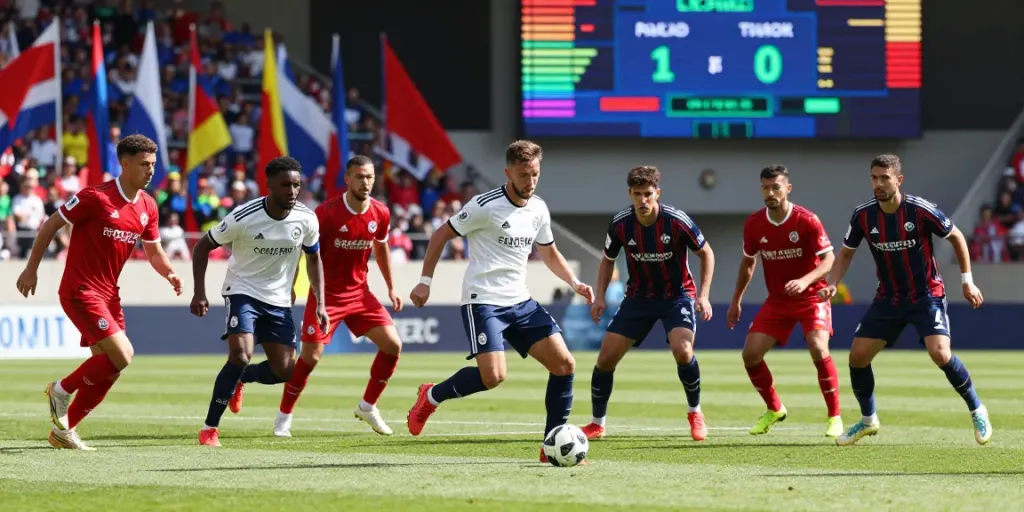
The Evolution of TOP10 Clubs in Football History
Football clubs have undergone significant transformations over the years, evolving not just in terms of gameplay but also in financial stature and global influence. Today, the notion of TOP10 สโมสร serves as a hallmark for measuring success in the football industry. From the inception of modern football to the multi-billion dollar empires we witness today, the rankings of clubs provide insights into both their historical significance and current status.
How Clubs are Ranked: Criteria and Metrics
Ranking football clubs isn't merely a matter of counting trophies. Comprehensive criteria involving performance metrics, financial health, brand value, and fan engagement are essential in forming a holistic view. Metrics such as win-loss ratios, goals scored, and defensive records are standard measures, but they only scratch the surface. Modern analytics delve deeper, examining metrics like expected goals (xG), player efficiency ratings, and fanbase engagement through social media and sponsorship value. Clubs like Manchester City and Bayern Munich dominate rankings due to their consistent performances and financial spending.
Historical Performance: Key Milestones
Historically, clubs have marked their presence with key milestones that contribute to their legacy. For instance, Real Madrid's record of 14 UEFA Champions League titles not only elevates their status to the top tier but sets a benchmark for excellence. Similarly, clubs that have had long-standing rivalries like Barcelona and Manchester United add to their narrative, capturing the imaginations of football fans around the world. These milestones are documented in historical archives that fans and analysts can reference for deeper insights into club histories.
Impact of Financial Investments on Rankings
Financial investments can make or break clubs. The influx of funds from wealthy owners, strategic investments in player transfers, and infrastructure development significantly affect a club's competitive edge. Teams such as Chelsea have demonstrated this through their aggressive transfer strategies, while clubs like Paris Saint-Germain have used their financial clout to attract superstar talents. The financial dynamics of football have thus become intricately linked to performance, shaping the landscape of club rankings globally.
Current Standings: Insights into the TOP10 Clubs
As we enter 2026, the football landscape continues to evolve with a fresh set of rankings reflecting the latest performances. In the current season, clubs like Manchester City, FC Barcelona, and Bayern Munich are making headlines not only for their on-pitch successes but also for their financial acumen and ability to draw in fans worldwide. This section covers the intricate analysis of club performances, emerging talents, and coaching philosophies that dominate discussions in football circles today.
Analysis of Club Performances: 2026 Season Overview
The 2026 season has seen fierce competition among the top clubs. Manchester City stands out with their dynamic attacking style, often highlighted by their high possession stats and aggressive press. In contrast, clubs like Juventus have relied on a strong defensive foundation, showcasing the variety of tactical approaches employed by the top teams. Performance metrics such as successful passes, tackles won, and shots on target contribute to a clearer picture of how clubs stack against each other.
Key Players to Watch in TOP10 Clubs
As the season progresses, several players have emerged as pivotal figures for their respective clubs. For instance, players like Kevin De Bruyne of Manchester City and Robert Lewandowski of Barcelona display exceptional skills that not only enhance their team's performance but also capture the attention of audiences worldwide. Monitoring these players will provide insights into each club's tactical setups and expected performance outcomes.
Comparison of Coaching Strategies Among the TOP10
The strategies employed by the coaches of TOP10 clubs define the style and effectiveness of their teams. Tactical systems such as Gegenpressing, utilized by Liverpool under Jürgen Klopp, focus on intense pressing to regain possession quickly and exploit opponent weaknesses. Conversely, the positional play favored by Pep Guardiola at Manchester City showcases a possession-based approach that prioritizes ball control. These contrasting strategies highlight how coaching philosophies significantly impact club performance.
Market Value and Financial Growth of TOP10 Clubs
The financial aspect of football is as crucial as the sport itself, with market values reflecting both performance and brand strength. The top clubs have not only thrived on the pitch but also benefited substantially from lucrative sponsorship deals, merchandise sales, and broadcast rights. Understanding these dynamics sheds light on how clubs sustain their operations and compete for top talent in the football marketplace.
Understanding Revenue Streams: Sponsorships and Merchandise
Sponsorship deals are a vital revenue stream for football clubs. Brands seek to associate themselves with the prestige of successful clubs, leading to multi-million dollar partnerships. For instance, clubs like Manchester United capitalize on their global fanbase to draw in diverse sponsorships, while also maximizing merchandise sales through strategic branding efforts. The synergy of these revenue streams fuels growth and allows clubs to invest in player acquisitions and facilities.
Future Financial Predictions for 2026 and Beyond
Looking ahead, the financial forecasts for football clubs indicate continued growth in revenues due to expanding global markets and increased digital engagement. Transfer fees are expected to rise, influenced by the demand for top-tier talent across leagues. Clubs that adapt to financial trends will emerge as the strongest contenders in their leagues. Moreover, the integration of technology and data analytics will play a pivotal role in the financial strategies of top clubs.
Investments in Youth Development Programs
Many top clubs recognize the long-term benefits of investing in youth academies and development programs. Clubs like Barcelona with La Masia and Ajax with their renowned academy have produced a plethora of talents who subsequently contribute to the club’s success. Such investments ensure a steady flow of skilled players while reducing reliance on expensive transfers, creating sustainable growth pathways for the clubs.
Tactics and Gameplay Styles of the TOP10 Clubs
Understanding the tactical landscape offers insights into how clubs can find success on the pitch. Coaches employ a variety of tactics to maximize their teams' strengths while exploiting opponents' weaknesses. The nuance of these strategies influences not only match outcomes but often the fate of entire seasons.
Popular Tactical Systems in Use
Modern football tactics vary greatly among the top clubs. From the fluid attacking play seen at Manchester City to the counter-attacking style of Tottenham Hotspur, the diversity of approaches showcases how clubs align their strategies with available player strengths. The use of analytics in refining these tactics provides teams with a significant edge and helps in pre-match preparations.
Role of Analytics in Modern Football
Analytics has become a cornerstone of modern football, influencing everything from player recruitment to in-game strategies. Data-driven insights, such as player tracking and performance metrics, allow coaches to make informed decisions that enhance team success. Clubs that effectively harness these insights gain a competitive advantage in both tactical execution and player management.
Case Studies of Tactical Success in Matches
Examining specific matches can illuminate how tactical decisions can lead to victory. For example, Liverpool’s early high-pressing strategy against Manchester City in the 2026 season led to crucial goals that turned the tide in their favor. Such case studies serve as valuable learning tools for clubs aiming to improve their tactical approach and on-pitch effectiveness.
The Future of Football: Trends Among the TOP10 Clubs
As we look to the future of football, several trends are emerging that will shape the game in the years to come. From technological advancements to shifting player dynamics, these trends are critical for clubs aiming to remain competitive.
Emerging Technologies and Their Impact on the Game
Technological innovations have begun to redefine how clubs approach training, match preparation, and fan engagement. Tools such as VAR (Video Assistant Referee) have altered the officiating landscape, while wearables and performance tracking devices are becoming standard in training regimens. Clubs that leverage these technologies effectively can gain substantial advantages over their rivals.
Shifts in Player Transfer Strategies
The transfer market is evolving, with clubs seeking younger talents and prioritizing developmental potential over immediate impact. As financial pressures mount, the emphasis on scouting and identifying emerging talents has intensified. Future transfer strategies will likely reflect this shift, balancing the acquisition of established players with a focus on youth development.
Predictions for the Next Decade in Club Football
In the coming decade, we can anticipate a greater emphasis on sustainability within football clubs, addressing financial viability and environmental concerns. Clubs will increasingly need to demonstrate responsible financial management while competing at the highest levels. Furthermore, the fusion of technology and sport will drive innovations that enhance both player performance and spectator experience, guaranteeing that football remains a premier global sport.