Understanding Auto Bagging Machines and Their Importance
In today's fast-paced industrial environments, efficiency and accuracy in packaging are paramount. The evolution of packaging technology has led to the development of sophisticated solutions such as automated bagging machines. These machines are not just a passing trend; they represent a significant leap in how products are packaged across various industries, including food, pharmaceuticals, and consumer goods. With functionalities that allow for automatic bag placement, filling, and sealing, businesses can achieve higher productivity levels and reduce the likelihood of packaging errors.
As a leading bagging machines manufacturer, Durzerd understands the critical role these machines play in modern manufacturing processes, providing tailored solutions designed to enhance operational efficiency and product consistency.
What is an Auto Bagging Machine?
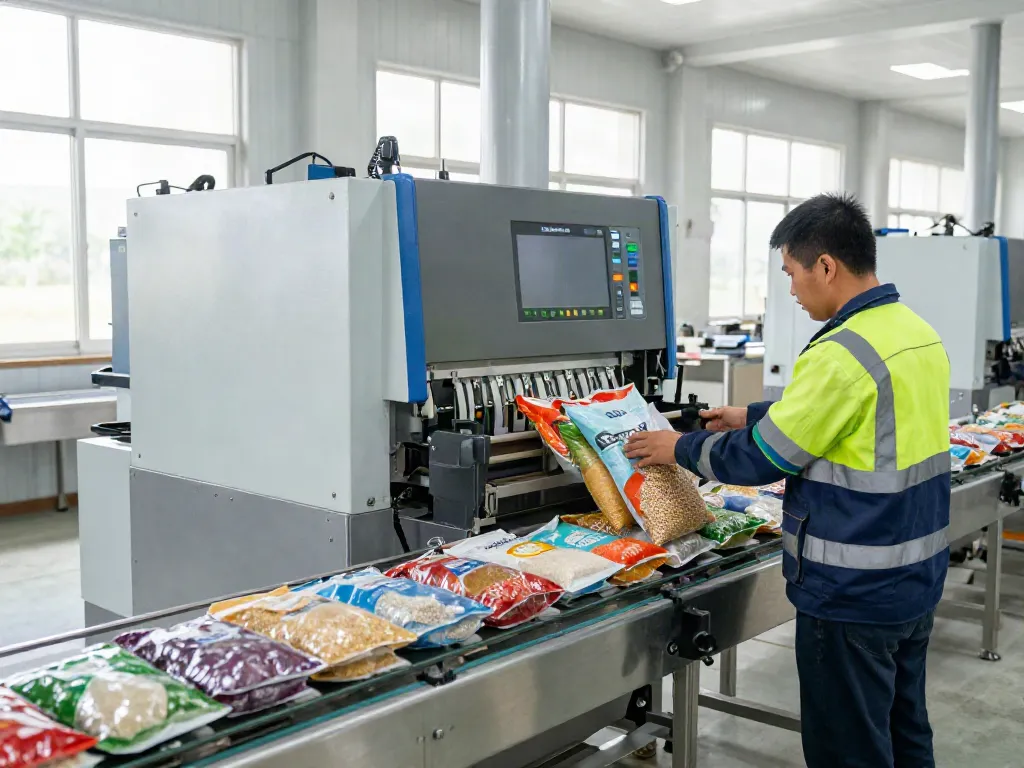
An auto bagging machine is a device that automates the process of packaging products into bags. These machines can handle various types of bags, including open-mouth bags and tubular bags, which are widely used in different industries. The technology behind these machines allows them to achieve high-speed bag filling and sealing, significantly reducing manual labor and human error.
At its core, the auto bagging machine operates by dispensing bags, filling them with the desired product, and sealing them for shipping or storage. The automation of these processes not only speeds up production lines but also ensures that each package is filled to the exact specifications required, thereby enhancing the quality control of packaged goods.
Key Benefits of Using Automated Bagging Solutions
The advantages of adopting automated bagging solutions are manifold. Firstly, these machines increase production speed, enabling companies to meet high-volume demands efficiently. Secondly, they enhance accuracy in the filling process, ensuring consistent product quantities in each bag. This consistency is crucial in industries where precise weights and measurements are essential, such as in food and pharmaceuticals.
- Increased Efficiency: Auto bagging machines can significantly reduce the time spent on packaging, as they operate much faster compared to manual processes.
- Reduced Labor Costs: Automation decreases the need for manual labor, leading to lower operational costs.
- Enhanced Quality Control: With precise filling and sealing functionalities, these machines minimize errors related to human handling.
- Versatility: They can handle a wide range of products, from dry goods to liquids and powders, making them suitable for diverse industries.
Industries that Rely on Bagging Machines
Various sectors utilize auto bagging machines to enhance their packaging processes:
- Food Industry: Used to package snacks, cereals, powders, and liquids, ensuring products are sealed for freshness.
- Pharmaceutical Industry: Essential for packaging pills, powders, and other medical supplies, maintaining strict hygiene standards.
- Consumer Goods: Handy for items such as pet food, detergents, and other household products, where branding and presentation can influence sales.
- Agriculture: Useful for packing seeds, fertilizers, and other agricultural products, helping streamline supply chains.
Comparative Analysis of Leading Bagging Machines Manufacturers
The market for bagging machines is competitive, with several manufacturers vying for leadership. A comparative analysis reveals distinct advantages across different brands, focusing on key performance metrics such as speed, precision, and technological innovations.
Performance Metrics: Speed and Precision
Performance is often the deciding factor for companies when selecting a bagging machine. Manufacturers such as Durzerd, known for their commitment to quality, emphasize the importance of speed and precision. Machines equipped with advanced sensors and automation technology can achieve higher speeds while maintaining accuracy in filling and sealing. For instance, some modern auto bagging machines can process thousands of bags per hour, making them ideal for high-volume operations.
Technology Innovations Revolutionizing Packaging
Innovations in technology continue to reshape the landscape of automated packaging. Machine learning and AI integration are enabling bagging machines to adapt to production changes in real-time, optimizing performance based on current manufacturing conditions. Furthermore, the introduction of modular designs allows for easier upgrades and customization, ensuring that businesses can adapt their packaging solutions as needs evolve.
Cost-Effectiveness Compared to Manual Bagging
While the initial investment in automated bagging machines may seem high, the long-term cost savings are significant. Businesses report reduced labor costs, decreased material waste, and improved productivity. When comparing the cost of manual bagging versus automated solutions, companies often find that the return on investment (ROI) is achieved within a short period. The ability to reallocate labor to other critical areas also amplifies overall efficiency.
Choosing the Right Bagging Machine for Your Business
Selecting the appropriate auto bagging machine requires a thorough understanding of your business needs, including product types and production volume. A strategic approach can lead to optimal outcomes and improved operational efficiency.
Assessing Product Types for Bagging Needs
Understanding the specific requirements of the products being packaged is crucial. Different products may require different types of packaging machines. For example, liquid products necessitate machines with specific filling nozzles to prevent spillage, while powders may require vibration systems to ensure consistent filling without air gaps. Analyzing product characteristics will enable businesses to select machines that best fit their operations.
Customization Options: Tailoring to Specific Requirements
Customization is a vital aspect of choosing a bagging machine. Many manufacturers offer machines that can be tailored to meet specific requirements, from bag size and type to the type of sealing technology employed. Customization ensures that businesses can achieve their unique packaging goals without compromising on quality or efficiency.
Evaluating Manufacturer Reputation and After-Sales Support
When investing in an auto bagging machine, it is essential to evaluate the manufacturer's reputation. Companies with a strong track record, such as Durzerd, typically provide better after-sales support, ensuring that clients can resolve issues quickly and efficiently. A manufacturer that offers comprehensive training and dedicated customer service can significantly enhance the user experience and operational efficiency.
Real-World Applications and Case Studies
Understanding how businesses implement automated bagging machines can provide valuable insights for those considering such investments. Case studies often highlight the American food industry, where factories have successfully integrated these machines into their packaging lines, resulting in transformative improvements.
Success Stories of Efficient Packaging Implementation
For instance, a major snack manufacturer reported a 50% increase in packaging speed after implementing an auto bagging machine from a reputable manufacturer. This transition not only improved production rates but also enhanced product consistency across the board.
Lessons Learned from Industry Leaders
Industry leaders often emphasize the importance of ongoing training for staff to maximize the potential of automated machines. Regularly updating processes and training sessions on new technologies can lead to continued improvements in productivity and product quality.
Future Trends in Automated Packaging Solutions
The future of automated packaging solutions looks promising. Trends include increased integration of smart technology, greater emphasis on sustainability, and innovations in machine learning that will allow for enhanced customization and adaptability in manufacturing processes. As industries evolve, so too will the capabilities of auto bagging machines, leading to even more effective packaging solutions.
FAQs about Bagging Machines
What are the different types of bagging machines?
Bagging machines are categorized into various types, including form-fill-seal (FFS) machines, open-mouth bagging machines, valve bagging machines, and vacuum bagging machines. Each type is designed for specific applications and product characteristics.
How do automatic bagging machines improve productivity?
Automatic bagging machines enhance productivity by streamlining the packaging process, reducing manual labor, and ensuring high-speed production capabilities. The automation of filling and sealing significantly cuts down on time and labor costs.
Where can I find reliable bagging machines for purchase?
Reliable bagging machines can be sourced from reputable manufacturers like Durzerd, which specializes in advanced packaging solutions tailored to meet diverse industry needs.
What features should I look for in a bagging machine?
Key features to consider when selecting a bagging machine include speed, precision, versatility, customizability, and the manufacturer's reputation for quality and support.
How do bagging machines impact product quality?
Bagging machines ensure consistent product quality by minimizing human error in the filling and sealing processes. This consistency is essential in maintaining brand integrity and meeting customer expectations.