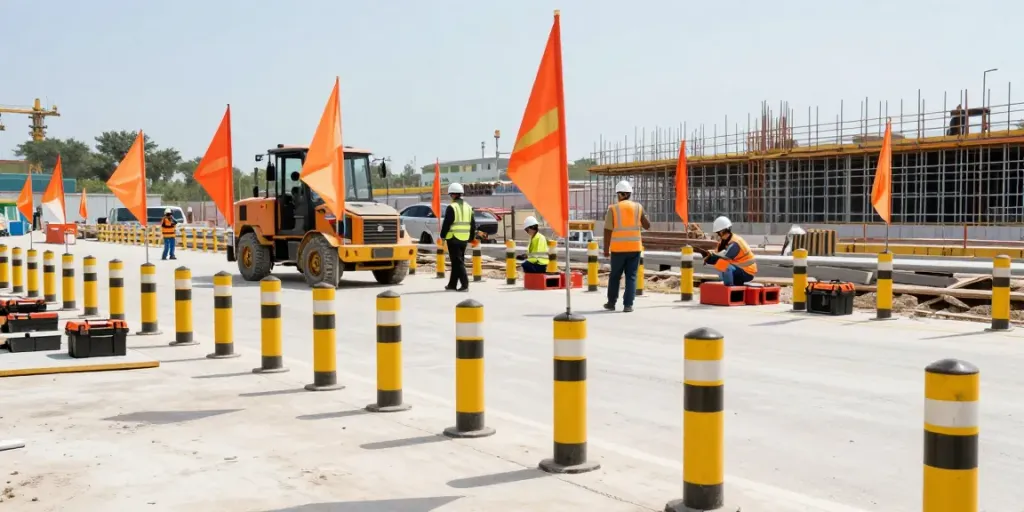
Understanding Safety Bollards: Definition and Importance
Safety bollards are critical fixtures in urban infrastructure, designed to enhance security while providing essential guidance for pedestrians and vehicles alike. With the increasing complexity of urban environments, the role of safety bollards has evolved beyond mere physical barriers; they have become integral to urban planning and traffic management strategies. These sturdy, vertical posts are utilized in a myriad of settings, from protecting storefronts and public areas to delineating traffic patterns and guiding pedestrians safely around hazards. When exploring options, Safety bollards serve as an essential component of any comprehensive safety and design plan.
What are Safety Bollards?
Safety bollards are robust, often vertical posts constructed from various materials, including steel and concrete, designed to withstand significant impact while controlling pedestrian movement and vehicular traffic. They serve a dual purpose: as safety barriers that prevent vehicles from accessing pedestrian-only areas and as aesthetic features that enhance the visual appeal of urban landscapes.
The Role of Safety Bollards in Urban Planning
In urban planning, safety bollards play a vital role in shaping environments that prioritize safety. They are strategically placed to protect vulnerable areas, like sidewalks and building entrances, from vehicle incursions. By integrating safety bollards into city designs, planners can ensure safer pedestrian pathways, manage vehicle speeds, and create a sense of boundary between different areas of activity.
Common Applications of Safety Bollards
- Parking Lots: Used to protect pedestrian pathways and direct vehicle flow.
- Retail Environments: Bollards help safeguard storefronts from accidental collisions and can be used to create outdoor seating areas.
- Construction Zones: Employed to restrict access and ensure the safety of workers and pedestrians.
- Public Spaces: Installed in parks and plazas to delineate walking areas from vehicle traffic.
Types of Safety Bollards Available
Fixed vs. Removable Safety Bollards
Safety bollards are available in various configurations to suit different applications. Fixed bollards are permanent installations, providing ongoing security for high-risk areas. In contrast, removable bollards offer flexibility, allowing for temporary barriers to be deployed when necessary. This versatility is vital in environments where access requirements may change frequently, such as during events or in parking structures.
Material Choices: Steel, Plastic, and More
The materials used for safety bollards can vary widely, impacting their strength, durability, and aesthetics. Common options include:
- Steel: Known for its strength and durability, steel bollards are often used in high-impact areas.
- Plastic: Lightweight and available in various colors, plastic bollards can be used for low-risk environments and decorative purposes.
- Concrete: Often used for fixed installations, concrete bollards are excellent for high-security applications.
Decorative Safety Bollards: Function Meets Aesthetics
In addition to their functional applications, decorative safety bollards can enhance the visual appeal of urban spaces. These bollards can be designed to match the architectural style of surrounding buildings, adding aesthetic value while still providing the necessary safety functions. This duality is essential for urban planners and designers looking to maintain both safety and beauty in public spaces.
Installation and Maintenance Best Practices
Site Assessment for Safety Bollard Placement
Before installation, conducting a thorough site assessment is critical. This includes analyzing traffic patterns, pedestrian pathways, and potential risks to ensure that the bollards are placed effectively. Understanding the environment in which the bollards will be installed allows for tailored solutions that maximize safety and functionality.
Installation Procedures: Ensuring Stability and Compliance
Proper installation of safety bollards is imperative to their effectiveness. This typically involves:
- Excavating the installation site to the appropriate depth and width.
- Using concrete or asphalt to secure the bollards in place, ensuring they are sufficiently anchored to withstand impact.
- Conducting inspections to ensure that installations comply with local regulations and safety standards.
Routine Maintenance Tips for Longevity
Maintaining safety bollards is essential for ensuring their long-term functionality and appearance. Regular maintenance practices include:
- Inspecting for damage or corrosion regularly, especially in coastal areas where saltwater can accelerate deterioration.
- Cleansing bollards to remove dirt, debris, and pollutants that can affect their integrity.
- Repainting or re-coating when necessary to provide an additional layer of protection and maintain visibility.
Challenges and Solutions in Safety Bollard Utilization
Overcoming Misconceptions About Effectiveness
A common misconception about safety bollards is their ineffectiveness against high-impact collisions. Many modern designs incorporate advanced materials and engineering techniques, ensuring they can withstand significant force. Educating the public and urban planners on the capabilities of modern safety bollards is essential for their widespread adoption.
Addressing Aesthetic Concerns in Urban Design
While safety is a priority, urban planners must also address aesthetic concerns when integrating bollards into their designs. Utilizing decorative and customizable bollards can bridge the gap between functionality and visual appeal. Engaging with community stakeholders can also provide insights into preferred styles and designs that enhance the urban environment.
Weather and Environmental Impact on Bollard Durability
The environmental conditions where safety bollards are installed can significantly affect their durability. For instance, areas with extreme weather conditions may require specific materials better suited to withstand harsh environments. Regular assessments can help identify wear and ensure that bollards are replaced or repaired promptly.
Future Trends in Safety Bollard Design and Application
Innovative Materials and Technologies for 2026
As technology advances, new materials and manufacturing processes are emerging to enhance safety bollard effectiveness. Future bollards may incorporate smart technologies that can provide real-time data on traffic patterns, detect collisions, or integrate with urban safety systems. Exploring these advancements will enable cities to adapt to growing safety challenges.
Integration of Smart Technologies in Bollard Systems
The integration of smart technologies will revolutionize how safety bollards function. Potential developments include:
- GPS tracking to monitor bollard locations and effectiveness.
- Solar-powered lighting to enhance visibility at night.
- Dynamic messaging systems that can communicate with pedestrians and drivers.
The Role of Safety Bollards in Sustainable Urban Development
As cities strive for sustainability, safety bollards can contribute to environmentally friendly practices. Incorporating recycled materials, energy-efficient designs, and biodegradable components can help reduce the overall environmental impact of urban infrastructure projects. This trend aligns with broader goals of creating greener, safer urban spaces.
What are the average costs of safety bollard installation?
The cost of installing safety bollards can vary significantly based on factors such as materials, design, and location. On average, fixed bollards can range from $200 to $600 each, while removable options may cost more due to their additional mechanisms. Site preparation and installation labor are additional costs that should be considered in overall project budgets.
Can safety bollards stop large vehicles?
Yes, certain types of safety bollards are specifically designed to withstand impacts from large vehicles. Crash-tested bollards meet rigorous standards to ensure they can effectively protect structures and pedestrians from high-speed collisions. It's crucial for planners to choose the appropriate type based on the specific risks associated with the area.
How do I choose the right type of bollard for my project?
Choosing the right bollard involves assessing the specific needs of the project, including the level of security required, the environment, and aesthetic considerations. Collaborating with an experienced contractor or urban planner can provide valuable insights into the best options for your project.
Are decorative bollards effective in terms of safety?
Decorative bollards can be just as effective as standard designs when manufactured from durable materials and properly installed. Their aesthetic appeal does not compromise their functionality, often serving to enhance the visibility of pedestrian areas while providing necessary protection.
What maintenance is required for safety bollards?
Safety bollards require routine inspections to assess for damage, corrosion, and overall stability. Regular cleaning and repainting may also be necessary, especially for those in high-traffic or environmentally challenging areas. Proper maintenance ensures safety bollards perform their intended functions effectively throughout their lifespan.