Understanding the Recirculating Cooker Hood with Carbon Filter
If your kitchen lacks a wall vent, a recirculating cooker hood with a carbon filter may be your best solution. This appliance serves as a vital component in maintaining air quality in kitchens where traditional ducting is impractical. Catering primarily to urban living environments such as flats and compact homes, these hoods efficiently absorb and filter cooking fumes before releasing clean, purified air back into the kitchen. When exploring options, recirculating cooker hood with carbon filter provides comprehensive insights into the functionality and installation of these vital appliances.
What is a Recirculating Cooker Hood?
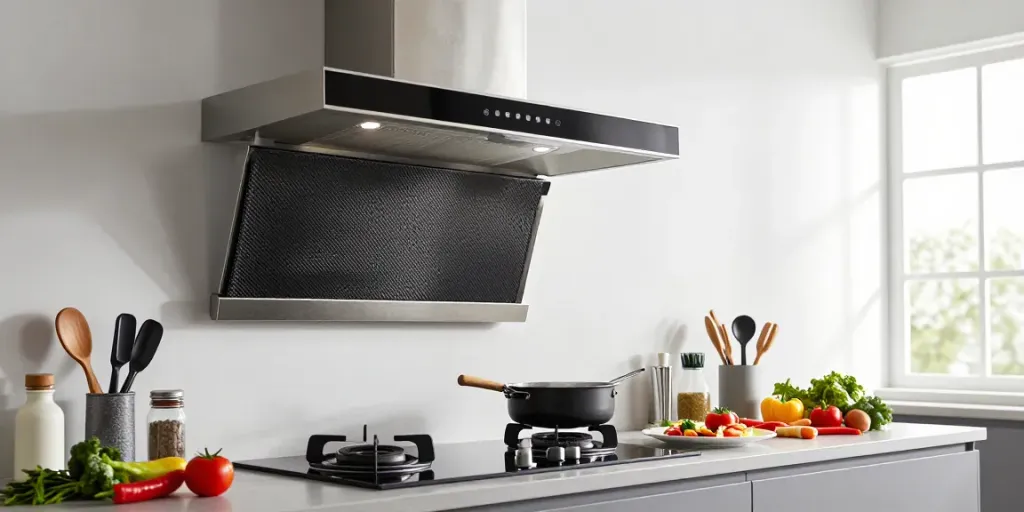
A recirculating cooker hood, often referred to as a ductless hood, operates without the need for external venting. Instead, it draws in air filled with cooking odours, smoke, and moisture, processes it through a filtration system, and then returns filtered air back into the kitchen. This system is especially beneficial in homes where traditional ducting to the outside is not feasible. Given the range of styles available, from integrated hoods to island units, these appliances can seamlessly blend with your kitchen's design.
How Do Carbon Filters Work?
At the heart of a recirculating cooker hood's efficiency is its carbon filter. This component utilizes activated carbon granules, which are porous and designed to trap odours, smoke, and grease particles. As air passes through the filter, the activated carbon absorbs pollutants, significantly enhancing indoor air quality. Each time the cooker hood operates, this filtration process cleans the air, ensuring a more pleasant cooking environment.
Primary Benefits of Using Carbon Filters
- Odour Elimination: Carbon filters are highly effective at neutralizing cooking smells, allowing for a cleaner kitchen atmosphere.
- Improved Air Quality: By capturing airborne pollutants, these filters contribute to a healthier kitchen environment, reducing the likelihood of respiratory issues.
- Moisture Control: While their primary function focuses on odour and grease removal, carbon filters also help reduce humidity levels, which can prevent issues like mould and mildew.
- Sustainability: Many carbon filters are designed to be recyclable, making them an eco-friendly choice for modern kitchens.
Installation Guide for Recirculating Cooker Hoods
Types of Installation: Wall-Mounted, Island, and Built-in
When choosing a recirculating cooker hood, it’s essential to consider the installation type that best suits your kitchen layout. Wall-mounted, island, and built-in options each have unique benefits and practicality for various kitchen designs.
Step-by-Step Installation Process
Many homeowners prefer to install their recirculating cooker hoods as a DIY project, and the process can be straightforward. Begin by gathering your tools, including a screwdriver, measuring tape, and any necessary brackets or fasteners specified in the user manual. Follow these general steps:
- Choose the Location: Decide where to position your hood, ideally above the cooking surface, ensuring it’s at the recommended height for optimal extraction.
- Install the Mounting Bracket: Use the provided brackets to secure the hood to the wall or ceiling, ensuring it is level and stable.
- Connect the Ducting (if applicable): For recirculating models, ensure that the air can be redirected through filters before being expelled back into the kitchen.
- Electrical Connections: Attach the wiring as per the installation instructions. If you're unfamiliar with electrical work, consider consulting a professional.
- Fit the Filters: Install the grease and carbon filters according to the manufacturer's instructions, ensuring they are securely in place.
- Test the Hood: Once installed, turn on the cooker hood to ensure it operates correctly and that air is being properly filtered.
Tools and Resources for DIY Installation
In addition to basic tools like screwdrivers and pliers, having a level, stud finder, and a drill can significantly streamline the installation process. Always refer to the manufacturer's manual for specific requirements, which often include installation videos or online resources for visual guidance.
Maintenance and Care for Carbon Filters
How Often to Replace Filters?
To maintain optimal performance, it's crucial to replace your carbon filters every 3 to 6 months, depending on usage. For homeowners who cook frequently or prepare greasy meals, more frequent replacements may be necessary.
Cleaning and Maintenance Tips
In addition to replacing carbon filters, keeping the grease filter clean is vital for ensuring the efficacy of your recirculating cooker hood. Regularly wash the metal grease filter with warm soapy water or in a dishwasher (if compatible) to prevent grease buildup that can hinder performance.
Signs Your Filter Needs Replacement
- Persistent Odours: If you notice cooking smells lingering even when the hood is on, it may be time for a filter change.
- Reduced Airflow: A drop in suction power can indicate that the filters are clogged and require cleaning or replacement.
- Visible Damage: Inspect filters for signs of wear, such as cracks or heavy soiling.
Comparing Recirculating and Ducted Cooker Hoods
Pros and Cons of Each System
Understanding the differences between recirculating and ducted cooker hoods can help you make an informed choice:
Recirculating Cooker Hoods
- Pros:
- Cons:
Ducted Cooker Hoods
- Pros:
- Cons:
When to Choose a Recirculating Hood
If your kitchen has no access to external walls or if you live in an apartment where construction changes are restricted, opting for a recirculating cooker hood is a sensible choice. Additionally, if you primarily perform light to moderate cooking, these hoods provide adequate air purification without the hassle of duct installation.
Common Misconceptions About Recirculating Systems
- They Are Ineffective: While not as powerful as ducted systems, modern recirculating hoods are designed to efficiently filter air and can adequately serve most household needs.
- Only for Small Kitchens: Recirculating hoods are available in various sizes and styles, making them suitable for both small and large kitchens.
Future Trends in Cooker Hoods and Air Quality
Innovations in Carbon Filter Technology
As consumer awareness of indoor air quality grows, innovations in carbon filter technology are emerging. Manufacturers are focusing on creating filters that last longer and perform better, utilizing new materials that enhance absorption capabilities while remaining environmentally friendly and easy to recycle.
Predictions for Kitchen Ventilation in 2026
Looking ahead, the demand for stylish yet functional kitchen appliances will likely increase. Consumers will prioritize energy-efficient models that offer superior air quality management without sacrificing aesthetics. Smart technologies may also play a role, with features such as sensors that monitor air quality and adjust ventilation automatically.
Consumer Preferences and Market Trends
As kitchens evolve into multifunctional spaces, consumers are seeking appliances that not only provide performance but also enhance the overall kitchen design. Recirculating cooker hoods are quickly becoming a popular choice due to their versatility, sleek designs, and ease of installation, making them ideal for contemporary homes.