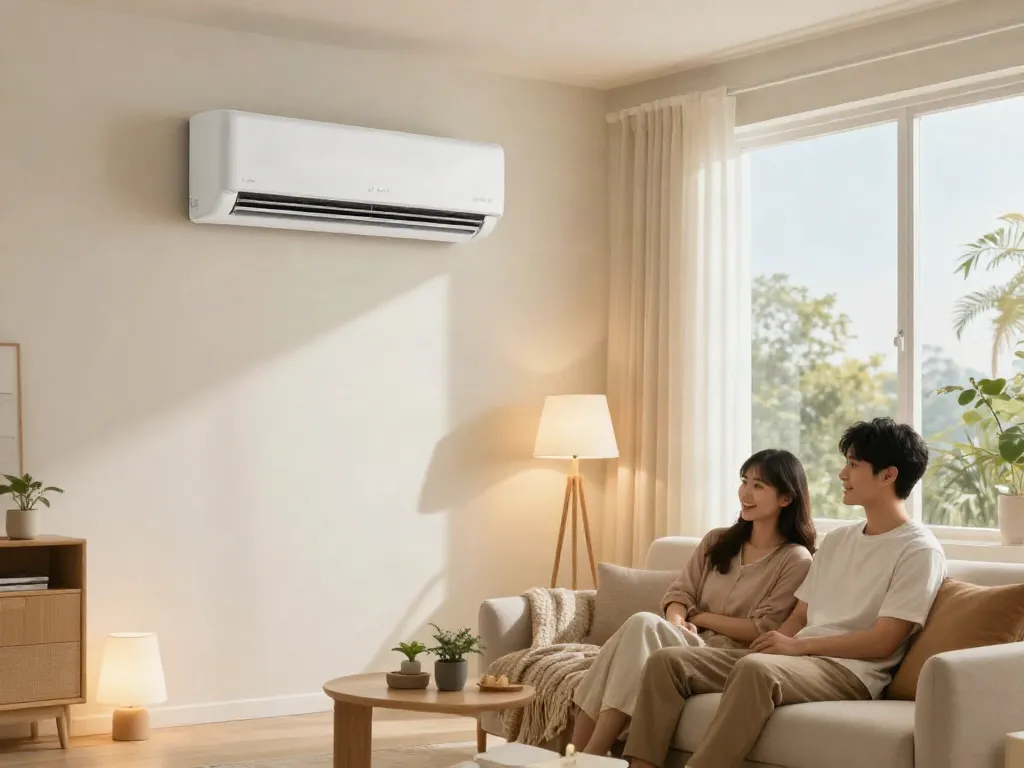
Understanding Mini Split Air Conditioner Basics
In the world of heating and cooling solutions, the mini split air conditioner has emerged as a popular choice among homeowners and commercial property managers alike. This innovative system operates quietly and efficiently, offering both heating and cooling capabilities without the need for bulky ductwork. Moreover, the rise in eco-conscious consumers looking for energy-efficient solutions has led to an increased demand for mini split air conditioners. When exploring options, mini split air conditioner provide comprehensive insights into the most suitable units for your needs.
What is a Mini Split Air Conditioner?
A mini split air conditioner, also known as a ductless mini split, is a type of HVAC system designed to provide precise temperature control in specific areas of a home or building. Unlike traditional central air conditioning systems that rely on ductwork, mini splits consist of two primary components: an indoor unit and an outdoor unit. This configuration allows for flexibility in installation and effective climate control, making them ideal for homes where ductwork installation may be impractical.
Key Components and Their Functions
A mini split air conditioner comprises several key components, each playing a vital role in its operation:
- Indoor Unit: Typically mounted on a wall or ceiling, the indoor unit is responsible for distributing conditioned air into the living space. It contains an evaporator coil that absorbs heat from the air inside and a fan that circulates air.
- Outdoor Unit: This unit houses the compressor and condenser coils. The compressor pressurizes refrigerant, which then flows to the indoor unit where it cools or heats the air, depending on the mode.
- Refrigerant Lines: These are insulated copper pipes that connect the indoor and outdoor units, facilitating the transfer of refrigerant between the two.
- Remote Control: Most mini splits come with a remote control or a wall-mounted thermostat that allows users to adjust settings conveniently.
Benefits Over Traditional HVAC Systems
The advantages of mini split air conditioners over traditional HVAC systems are numerous:
- Energy Efficiency: Mini splits are known for their energy efficiency, often using less power to operate than traditional central air systems.
- Flexible Installation: Without the need for ductwork, mini splits can be installed in a variety of locations, making them suitable for retrofits and new constructions.
- Zone Control: These systems allow for zoning, meaning you can control the temperature in individual rooms or areas, leading to potential energy savings.
- Reduced Noise: Mini split systems operate quieter than traditional systems, enhancing comfort in living spaces.
Cost Factors for Mini Split Air Conditioners
Initial Purchase Prices and Models
The cost of a mini split air conditioner can vary widely based on factors such as brand, capacity, and features. On average, homeowners can expect to pay between $1,500 and $4,000 for the unit alone, depending on the model and its cooling/heating capacity. Higher-end models may include advanced features like Wi-Fi connectivity and programmable settings. It's essential to assess your specific cooling needs to determine the right model that fits your budget and requirements.
Installation Costs: DIY vs. Professional Services
When considering the installation of a mini split air conditioner, homeowners have two primary options: DIY installation or hiring professional services. While DIY installation can save on labor costs, it requires a good understanding of HVAC systems and may not always yield optimal results if not done correctly. On the other hand, professional installation typically ranges from $500 to $2,000, depending on complexity. This ensures that the unit is installed correctly and operates efficiently.
Operating Costs: Energy Consumption and Efficiency
Operating costs for a mini split air conditioner largely depend on usage and energy efficiency ratings. Mini splits typically have a Seasonal Energy Efficiency Ratio (SEER) rating ranging from 15 to 30, indicating their cooling efficiency. Higher SEER ratings often translate to lower energy bills. It's essential to track your electricity usage and consider energy-efficient habits, such as setting the thermostat higher when not at home, to keep operational costs manageable.
Financing Options for Your Mini Split Air Conditioner
Budgeting for Purchase and Installation
Budgeting for a mini split air conditioner involves more than just the initial purchase price; installation costs must also be considered. Homeowners should create a detailed budget that includes potential financing options, whether through personal loans, credit cards, or specific HVAC financing programs. Planning for these expenses can alleviate financial pressure and set clear expectations for the total investment.
Exploring Rebates and Incentives
Many utility companies and local governments offer rebates and incentives for energy-efficient HVAC systems, including mini splits. Homeowners should research available programs in their area to help offset the initial cost. Checking with local energy providers or government websites is a good starting point for finding potential savings.
Long-Term Savings versus Upfront Costs
While the upfront costs of a mini split air conditioner can be considerable, the long-term savings due to lower energy bills and potential rebates can make it a worthwhile investment. Over time, the efficiency of a mini split can lead to substantial savings compared to traditional HVAC systems, which often have higher operational costs. Homeowners should weigh these factors carefully when considering their options.
Maintenance and Longevity of Mini Split Systems
Regular Maintenance Practices for Optimal Performance
To ensure optimal performance and longevity of your mini split air conditioner, regular maintenance is crucial. Key maintenance practices include:
- Cleaning or Replacing Filters: Filters should be cleaned monthly or replaced every few months to ensure clean airflow.
- Checking Refrigerant Levels: Ensuring proper refrigerant levels helps maintain efficiency and prevent potential damage.
- Cleaning the Outdoor Unit: Keeping debris away from the outdoor unit helps maintain airflow and efficiency.
Identifying Common Issues and Repairs
Common problems that can occur with mini split systems include refrigerant leaks, unusual noises, and inconsistent temperature control. Regular troubleshooting can help identify these issues early and prevent costly repairs. Always consult with a professional if you suspect a refrigerant leak, as this can be dangerous and requires specialized handling.
Expected Lifespan and Replacement Considerations
With proper maintenance, a mini split air conditioner can last between 15 to 20 years. Factors such as usage, installation quality, and maintenance practices will influence its lifespan. Homeowners should be aware of the signs of wear, such as increasing energy bills or inconsistent cooling, indicating that it may be time for a replacement.
Future Trends in Mini Split Technology
Emerging Innovations for Greater Efficiency
The mini split air conditioning market continues to evolve with advancements in technology focusing on efficiency and performance. Emerging innovations include improved inverter technology, which allows for variable speed operation, leading to enhanced energy savings. Additionally, newer refrigerants that have a lower environmental impact are becoming more prevalent, aligning with global sustainability goals.
Impact of Smart Technology Integration
Smart home integration is another significant trend in the mini split air conditioner industry. Many modern mini splits feature Wi-Fi capabilities, enabling users to control their systems remotely through smartphone apps. This connectivity allows for increased convenience and energy management, as settings can be adjusted based on the homeowner's schedule and preferences.
Predictions for Mini Split Air Conditioner Usage in 2026
Looking forward to 2026, it is expected that the demand for mini split air conditioners will continue to rise, fueled by an increasing awareness of energy efficiency and the desire for customizable climate solutions. As more homeowners strive for eco-friendly living, mini splits will likely become a standard feature in many new homes and renovations.
What are the disadvantages of a mini split?
While mini splits offer many benefits, there are some disadvantages to consider. These include higher initial costs, the need for professional installation, and the potential for a less aesthetically pleasing appearance compared to traditional units. Additionally, some homeowners may find the noise from the outdoor unit to be a concern in quiet environments.
Is a mini split air conditioner worth it?
Many homeowners find mini split air conditioners worth the investment due to their energy efficiency, flexibility, and ability to provide zoned heating and cooling. When the cost savings on energy bills and the potential rebates are considered, the long-term benefits often outweigh the initial costs.
Why is my electric bill so high with mini split?
High electric bills associated with mini split systems can arise from several factors, including improper sizing, inefficient usage patterns, or failing to perform regular maintenance. Ensuring the system is correctly sized for the space and adhering to maintenance schedules can help mitigate these costs.
How much is a mini split for a 1000 sq ft house?
The cost of a mini split air conditioner for a 1000 sq ft home typically ranges from $1,500 to $3,000, factoring in both the unit price and installation costs. Variations in pricing may occur based on the specific model and installation complexities.
Best mini split air conditioner brands in 2026?
As of 2026, several brands stand out in the mini split market for their reliability, efficiency, and advanced features. Notable mentions include Daikin, Mitsubishi, and LG, each known for producing high-quality, energy-efficient units that cater to various consumer needs.