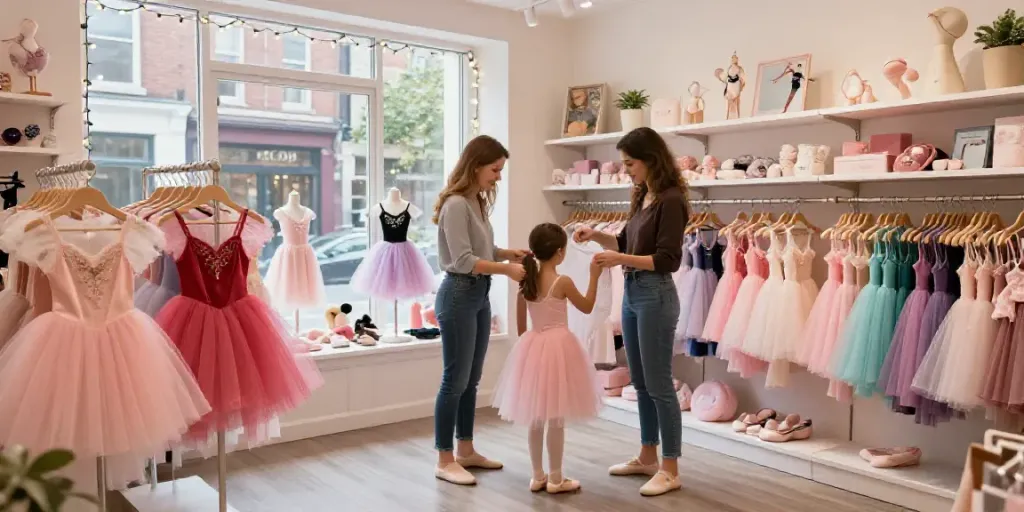
Understanding the Essence of a Tutu Store
A tutu store is a specialized retail outlet that caters to dancers, parents, and enthusiasts of all ages, focusing primarily on tutus and related dancewear. These stores offer a diverse array of ballet costumes, accessories, and dance gear designed to enhance the performance and aesthetic appeal of dance. Whether you are a professional dancer preparing for a recital or a parent planning a special occasion for your child, a tutu store provides invaluable resources and products tailored to your needs.
What is a Tutu Store?
A tutu store is more than just a retail space; it is a hub for the dance community. These stores encompass a wide variety of products, from classical tutus and costumes to modern adaptations suitable for various dance styles. They serve as a crucial point of contact for dancers to find specific items that may not be available in general clothing stores.
History and Evolution of Tutus
The tutu has a rich history that dates back to the 19th century, originating in the ballet performances of the Romantic era. Initially, tutus were long, flowing skirts designed to enhance the ethereal appearance of dancers. Over time, they evolved into different styles, including the classic pancake tutu, which is flat and wide, and the bell-shaped tutu that offers a more traditional silhouette. The evolution of the tutu reflects changing aesthetics and the influence of various dance forms, making them a symbol of the performing arts.
Significance of Tutus in Dance and Performance
Tutus play a pivotal role in the world of dance, especially in ballet. They are not merely costumes; they are expressions of artistry that enhance the dancer's movements and convey the character and emotion of the performance. The right tutu can elevate a dancer's presence on stage, allowing them to embody their role fully. Additionally, tutus are often associated with tradition and elegance, making them a staple in dance costumes worldwide.
Choosing the Right Tutu for Your Needs
When selecting a tutu, it is essential to consider several factors to ensure it meets your specific requirements. Whether you are a dancer or a parent shopping for a child, understanding your options will enhance your shopping experience.
Factors to Consider When Selecting a Tutu
There are several factors to keep in mind when choosing a tutu:
- Purpose: Determine the intended use of the tutu—whether for performances, competitions, or casual wear.
- Style: Choose from various styles, including classical, contemporary, or themed tutus that suit the dancer's personality or role.
- Material: Look for quality fabrics that offer durability and comfort, such as tulle, chiffon, or silk.
Understanding Different Styles and Fabrics
Tutus come in diverse styles and fabrics, each serving a specific purpose:
- Pancake Tutu: Characterized by its flat, circular shape, ideal for classical ballet.
- Bell Tutu: Offers a fuller silhouette, often used in performances to create elegant lines.
- Soft Tutu: Made from lightweight materials, these are popular for contemporary dance and ease of movement.
Size and Fit: Ensuring Comfort and Mobility
Finding the right size and fit is crucial for a tutu, as it needs to allow for extensive movement without compromising comfort. Consider the following:
- Measure the waist and hips accurately to select the correct size.
- Look for adjustable options or elastic waistbands to accommodate growth.
- Consider layering options if the tutu is worn over a leotard or tights.
Essential Accessories and Complementary Items
While a tutu is a centerpiece, the right accessories can complete the dancer's outfit and enhance the overall look.
Matching Dance Shoes and Hosiery
Choosing the right dance shoes is essential for performance and practice. Select shoes that complement the tutu style—ballet slippers, pointe shoes, or character shoes depending on the dance type. Hosiery also plays a crucial role in maintaining a polished appearance, with options including tights, ankle socks, or leg warmers.
Choosing the Right Hair Accessories for Dancers
Hair accessories can accentuate the overall look of the dancer. Consider items like:
- Ballet buns: A classic choice, often complemented by hairpins or decorative hairnets.
- Headbands: For a modern twist, vibrant or themed headbands can add flair.
- Bows and Flowers: These can be added for younger dancers or specific performances.
Other Dance Gear You May Need
In addition to tutus and shoes, consider other essential dance gear such as:
- Leotards: A fundamental piece for many dance styles, offering comfort and support.
- Dance bags: To keep all equipment organized and transportable.
- Warm-up gear: Items like wraps and jackets are useful before and after performances to prevent injury.
Care and Maintenance of Your Tutus
Proper care will help maintain the beauty and function of your tutu for years to come. Knowing how to wash, store, and repair your tutu is essential for every dancer.
Washing and Storage Tips for Longevity
To keep your tutu in top condition, adhere to these washing and storage guidelines:
- Washing: Hand wash in cold water with a gentle detergent. Avoid machine washing as it can distort the shape.
- Drying: Lay flat to dry, avoiding direct sunlight to prevent fading.
- Storage: Store tutus hanging in a garment bag to maintain their shape and avoid creasing.
Common Repairs and Alterations for Dance Costumes
Over time, wear and tear can occur. Be prepared to perform simple repairs, such as:
- Sewing loose seams or straps.
- Replacing worn-out elastic bands.
- Adjusting length or sizing for proper fit.
How to Keep Your Tutus Looking Fresh
Regular maintenance is key to ensuring your tutu looks as good as new:
- Steam out wrinkles instead of ironing to avoid damage to the fabric.
- Rotate tutus if you have multiple to prevent excessive wear on a single item.
- Occasionally check for loose embellishments and fix them promptly.
The Future of Tutu Fashion and Trends
The tutu continues to evolve with dance fashion, reflecting modern aesthetics and dancer preferences. Staying informed about upcoming trends can help both dancers and parents make informed purchases.
Current Trends in Tutu Designs for 2026
As we look into 2026, several trends are emerging in tutu fashion:
- Sustainable Fabrics: Eco-friendly materials are gaining popularity as consumers become more environmentally conscious.
- Custom Designs: Many dancers are opting for personalized tutus that reflect their unique style and performance requirements.
- Tech Integration: Innovative designs incorporating smart fabrics that adjust to temperature and moisture are emerging.
Predictions for the Evolution of Dance Costumes
The future of dance costumes may include enhancements in functionality and aesthetics. Expect to see:
- Increased focus on breathability and flexibility for better performance.
- Augmented reality features for stage performances, enhancing visual effects.
- Greater collaboration between fashion designers and choreographers to create stunning, functional pieces.
How Technology is Transforming Tutu Manufacturing
Technology is changing how tutus are produced, leading to quicker and more precise manufacturing methods. Innovations include:
- 3D Printing: Allows for intricate designs and custom fittings that were previously impossible.
- Computer-Aided Design (CAD): Enhances the design process, making it easier to experiment with styles and materials.
- Automated Sewing Machines: Improve efficiency and quality in the production of tutus and dancewear.
What Makes a Tutu Store Stand Out in 2026?
As competition grows in the tutu market, certain elements will help a tutu store to stand out:
- Exceptional Customer Service: Knowledgeable staff who understand dance needs and can provide tailored recommendations.
- Diverse Product Range: A wide selection that includes not just tutus but all necessary accessories to create complete outfits.
- Community Engagement: Hosting workshops and events to foster a sense of community among dancers.